


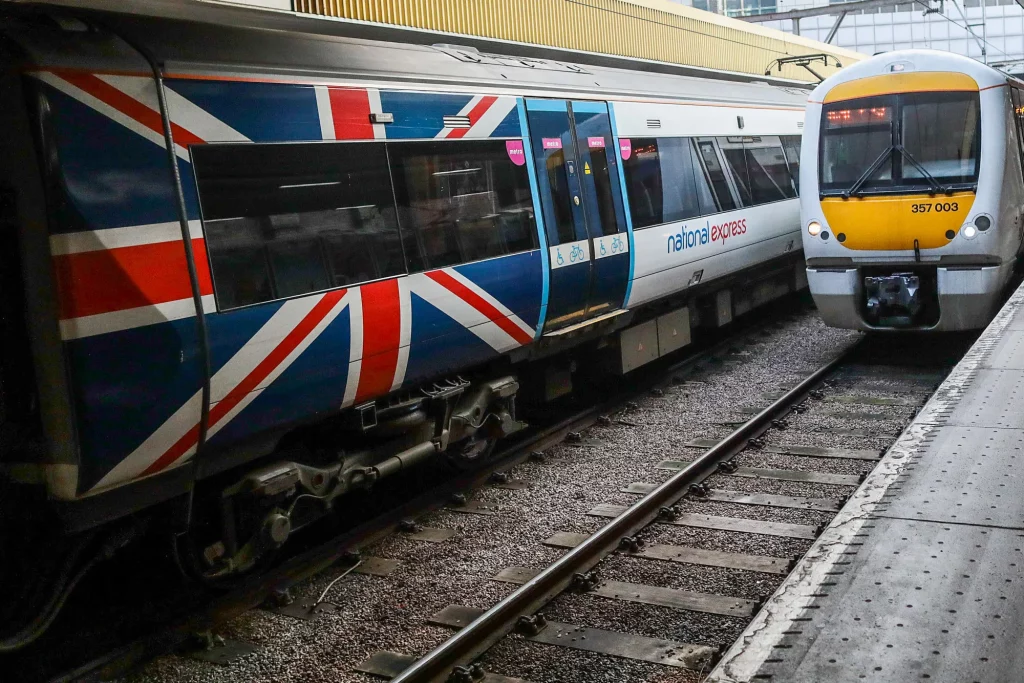
When the United Kingdom left the European Union’s railway regulatory framework at the end of the transition period, it created a new and distinct authorisation regime for rolling stock operating in Great Britain. For manufacturers, operators and spare parts suppliers who previously dealt with a single EU-wide system, the post-Brexit landscape requires understanding two parallel frameworks — and managing compliance across both.
This guide explains the GB railway authorisation regime, how it relates to EU TSI requirements, and what it means practically for rolling stock procurement and certification.
The Pre-Brexit Position
Before Brexit, rolling stock operating in Great Britain was authorised under the same EU framework as vehicles in any other EU member state. Vehicles compliant with the applicable TSIs could receive EU-wide authorisation through the European Union Agency for Railways (ERA). The Office of Rail and Road (ORR) acted as the national safety authority within this framework but operated under the overarching EU regulatory structure.
The Post-Brexit Framework: ROGS
Since Brexit, rolling stock operating in Great Britain is governed by the Railways and Other Guided Transport Systems (Safety) Regulations 2006 (ROGS), now operating independently of EU law. The ORR is the national safety authority responsible for vehicle authorisation in Great Britain, and the ERA no longer has jurisdiction over GB operations.
The key practical change is that EU vehicle authorisations are no longer valid for operation in Great Britain. A vehicle authorised by the ERA to operate across the EU — including right up to the Channel Tunnel entrance at Calais — requires a separate GB authorisation from the ORR before it can operate on the GB mainline network.
Designated Standards: The Technical Continuity
The potential disruption of two entirely different technical frameworks has been significantly mitigated by the UK’s decision to retain most EU TSI technical standards as Designated Standards under the Railways (Interoperability) Regulations 2011 (as amended). This means that the technical specifications themselves — the material requirements, dimensional standards, test procedures and performance criteria from the TSIs — remain largely the same on both sides of the Channel.
What has changed is the process rather than the technical content. The same engineering to EN 13262 wheelset standards and EN 13261 axle standards applies. The same LOC&PAS and WAG TSI technical requirements apply. But the authorisation submission, assessment process and granting authority is now the ORR rather than the ERA.
Cross-Acceptance: The Practical Challenge
For vehicles operating on both the GB network and EU networks — most obviously Eurostar and freight operators using the Channel Tunnel — the lack of cross-acceptance between GB and EU authorisations creates significant additional compliance burden. Each authorisation must be maintained separately, with its own technical file, its own assessment process and its own renewal timeline.
For rolling stock manufacturers selling into both markets, this means dual-compliant documentation from the outset — technical files structured to satisfy both ERA and ORR requirements simultaneously. This is achievable but requires careful planning at the project inception stage.
What Changes at the Spare Parts Level?
For spare parts procurement, the post-Brexit framework has less impact than at the vehicle authorisation level, because the underlying technical standards are largely unchanged. A wheelset conforming to EN 13262 and EN 13261 remains acceptable for both GB and EU-authorised vehicles. Brake components to UIC standards remain valid.
Where Brexit does create additional complexity is in conformity documentation. EU EC declarations of conformity issued by EU Notified Bodies remain acceptable as supporting evidence for GB vehicles, but the ORR may require additional UK-specific documentation for certain components and certain types of modification.
The Northern Ireland Dimension
Northern Ireland occupies a unique position in the post-Brexit railway regulatory landscape. Under the Northern Ireland Protocol (now the Windsor Framework), Northern Ireland remains aligned with EU single market rules for goods, which includes railway interoperability requirements. Rolling stock operating in Northern Ireland may therefore face a different compliance landscape to rolling stock operating only in Great Britain — a complexity that operators with cross-border island of Ireland services need to navigate carefully.
Practical Steps for Manufacturers and Operators
For manufacturers planning to sell rolling stock or components into the GB market, the practical steps are:
Engage the ORR early — the ORR publishes guidance on its vehicle authorisation process and operates a pre-application service that allows manufacturers to discuss their certification approach before formal submission.
Structure technical files for dual compliance — if EU market entry is also planned, design the documentation from the outset to satisfy both ERA and ORR requirements.
Monitor designated standards updates — the UK government periodically reviews and updates which EU standards are retained as designated standards. Divergence from EU standards is possible in future, particularly as the UK develops its own post-Brexit railway safety framework.
Plan for longer timelines — the ORR assessment process for new vehicle types is currently experiencing significant demand as the post-Brexit backlog of authorisation applications works through the system. Build additional contingency into programme timelines.
TSI Certification Consultancy for UK and EU Markets
Rolling Stock Connect+ provides TSI certification consultancy for manufacturers and operators targeting both EU and GB markets. Our team has direct experience of the ORR authorisation process and can help structure your technical file and compliance programme to satisfy both regulatory frameworks efficiently.
Contact us at sertcakar@milburg.co.uk or visit our TSI certification page to discuss your authorisation programme.
Slug: uk-railway-authorisation-after-brexit-rogs-orr-rolling-stock Category: Industry Intelligence Target keywords: UK railway authorisation, ROGS compliance, ORR rolling stock, UK railway certification, post-Brexit railway